Tim Mansfield
Deep Christianity
Restorative theology for the ones who walked away
A lot of us who grew up in a Christian environment left the religion as we grew up.
For some of us, leaving was painful: driven by doctrines we couldn't stomach, by politics we couldn't stand, or by misdeeds and abuse.
For others, leaving was a slow process of self-exile as we drifted away from teaching that failed to answer our deepest questions and couldn't respond to obvious challenges.
Whatever the causes, we find ourselves wandering – still drawn to spiritual practice, still encountering the numinous in experience, still seeking community and a common framework for conversation.
Many of us have found welcome in other traditions – Zen, Advaita, Dzogchen, Mahamudra, Sufism – and they nearly feel like home.
But for some of us, the sounds, words, smells and images of the Christian tradition we have from our earliest memories still call. Maybe we recall deep, resonant experiences even within an institution we grew out of.
It's hard to imagine rejoining a mainstream church. All the reasons you left are still there. And yet… that deep connection persists.
Is there something there that's worth reconnecting with?
Yes. I think there is.
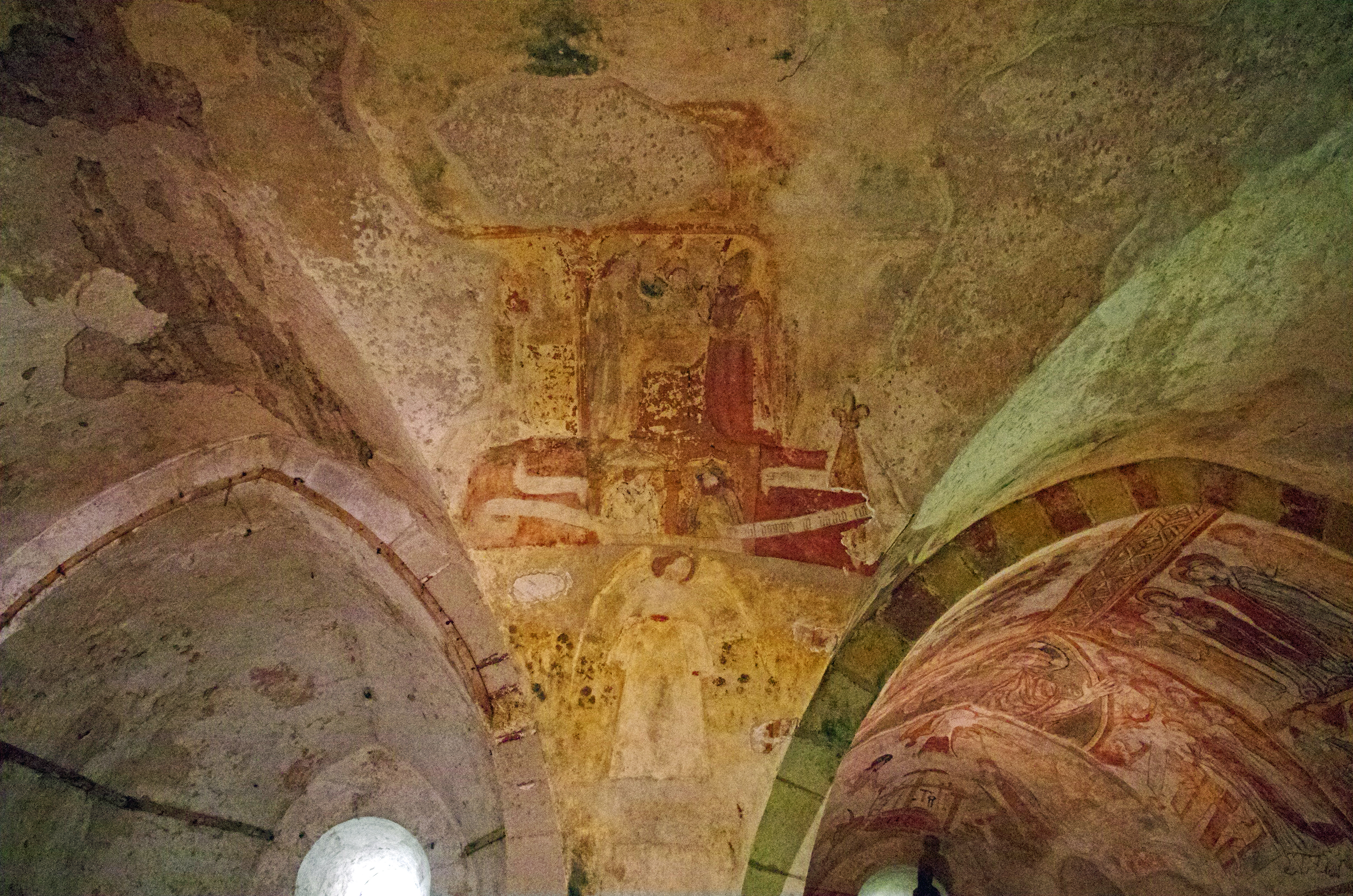
Beyond Church
We tend to think about Christianity as churches – both the buildings and the organisations. Or perhaps about communities and social work.
But what interests me about Christianity is the lineage of spiritual practice and teaching. While we associate it most strongly with the Jesus of the Gospels, its roots are found long before his birth and it has continued to grow and develop to the present day.
Like any system of practice and knowledge, it has introductory and advanced forms. Not every teacher can teach both.
Most likely, the Christianity you received in church was the introductory form. In contemporary society, unless you were very fortunate, you possibly never encountered advanced teaching or anyone who could teach it. Almost all churches are like a community college with no Masters program.
I think that is what most of us are missing. But that Masters program exists and has always existed – in fact it came first.
It doesn't require dogmatic beliefs, submission to authority, institutional membership, doctrinal tribalism or a particular type of politics.
It does offer spiritual and intellectual depth, a rich tradition of practices that work, and personal autonomy while also staying connected to familiar traditions.
This Deep Christianity is your spiritual inheritance. Perhaps now is the time to claim it.
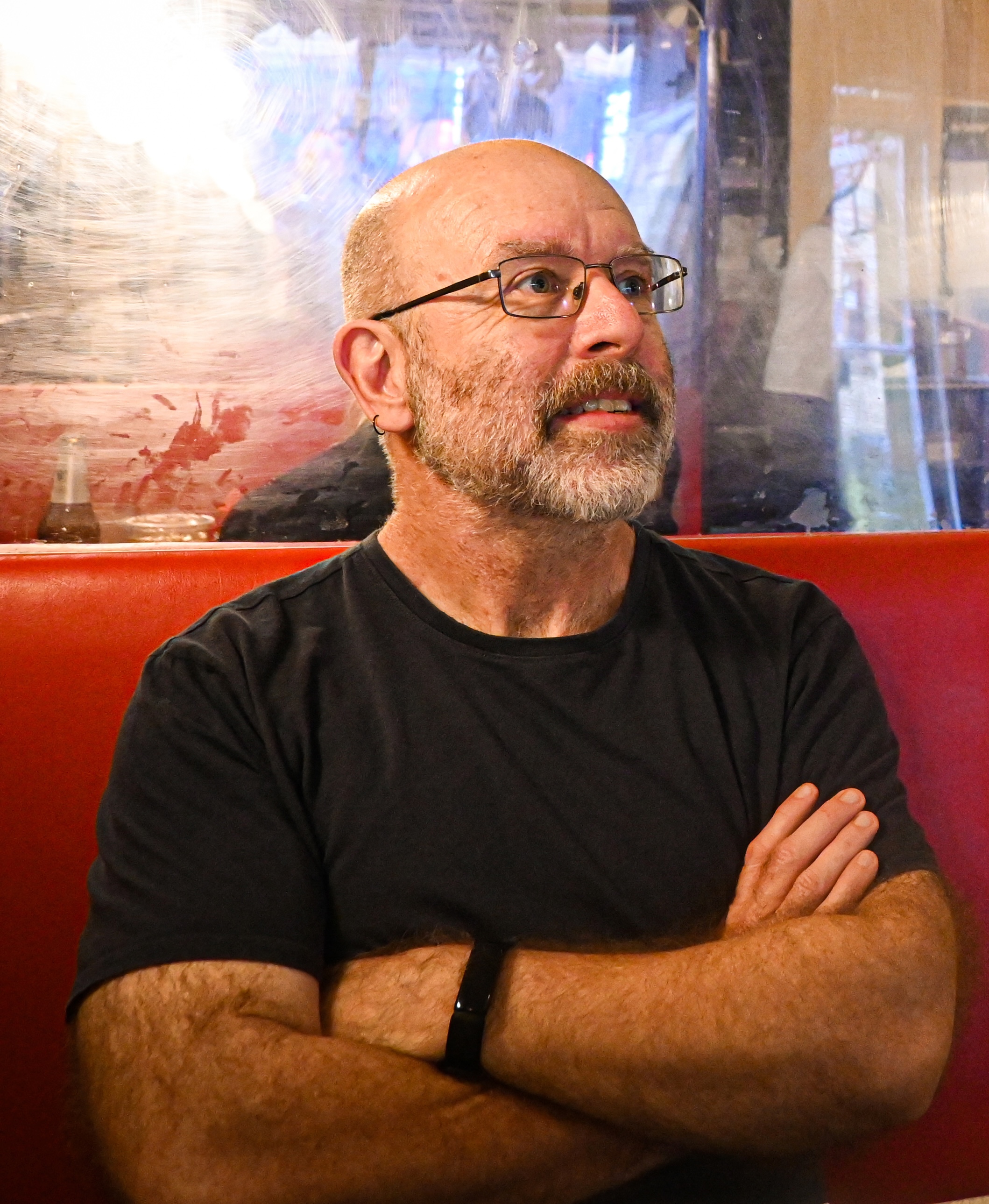
I'm Tim
I have spent 15 years as an ordained priest in an independent mystical church, exploring the depth and breadth of the Christian tradition to find those teachers of the Masters program I realised I'd been missing. Before that, I'd left Christianity entirely. Everything I've written on this page is about me too.
I grew up in the Anglican church and mostly had a great time. I served at the altar for over a decade. But as I grew up, I just couldn't make sense of the theology I was being taught. Looking back, I realised I managed to stay as long as I did by rewording all the prayers and the sermon inside my head to fit my own emerging understanding.
So eventually I walked away. Doctrinally atheist, but spiritually curious, I spent years exploring Western esotericism, Tibetan and Theravada Buddhism and secular meditation. Slowly realising that I craved a deeper engagement with my spiritual life, I tried to find some tradition I could settle down in but, like Goldilocks, nothing felt like it quite fit.
Eventually, I got curious about the tradition I had grown up in. Was there something I had missed? Was there a way to reconnect with the Christian tradition? Was there a point to reconnecting?
Through a series of providential encounters, I found my way to the Apostolic Johannite Church, which I was to call home. I studied, became ordained to the priesthood and devoted myself to growing a church community in public, while privately exploring the Christian tradition to discover the hidden gems.
After 15 years of ministry, I retired in 2024 and began working on how to share what matters most from that exploration.
This course is an introduction to what I discovered.
I'm not working from within a church to create space for spiritually mature people to stay.
And I'm not working from outside the tradition to adapt Christianity to New Age ideas, progressive politics or secular thought.
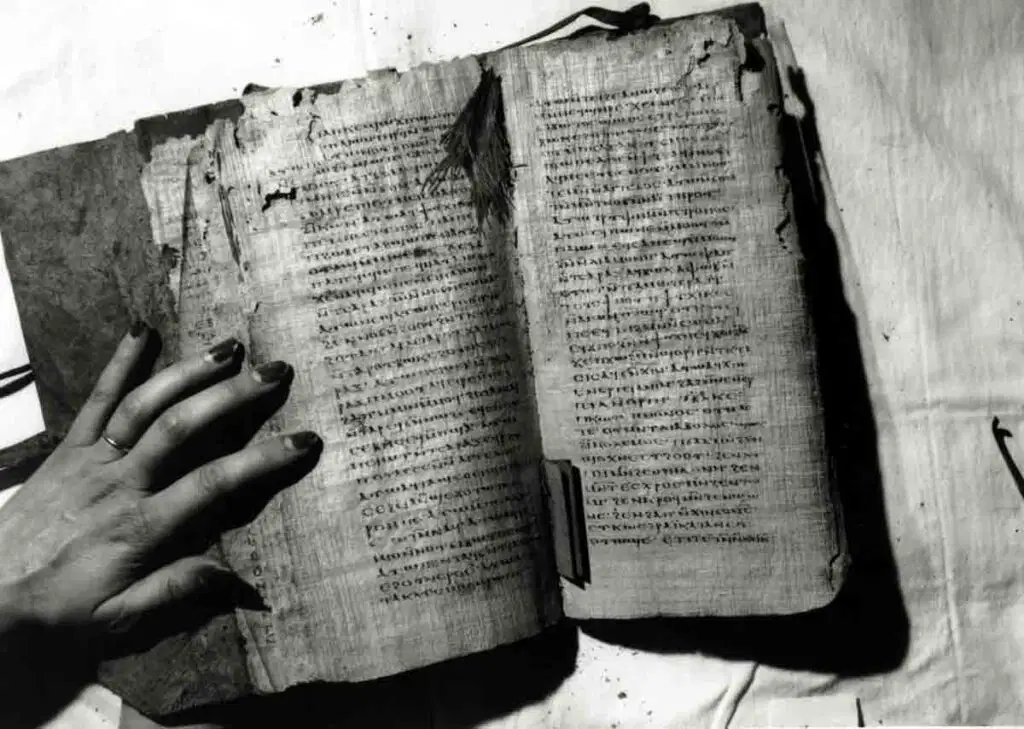
Instead, we are looking for your lost inheritance – and the keys to it are buried in the broad, global past: the monastics of the Egyptian desert, the Cappadocian Fathers, the Rhineland mystics and the Syriac-speaking Church of the East. It's the same Christianity but with the volume turned up on the quiet parts. The result lies outside what might feel comfortable, but it pulses with a deep, urgent vitality.
What is this course about?
This will not leave you settled and comfortable.
What it will do is help you unpick and re-weave the ideas that no longer serve you, leaving the way clear to restore your connection to the deep tradition on your own terms. I describe this as "restorative theology" because – from experience – it's not enough to leave, explore, return and take up some new ideas. The faith of our childhood needs to be uncovered, and the details unpicked and re-woven into a mature version that fits who you are now.
The course will introduce you to the rich practice life of the Christian lineages I've been exposed to: contemplative, mystical and gnostic. Beyond the basics of prayer, we discover that the purpose of spiritual practice is not primarily worship – it's transformation.
The teachers who go beyond the undergraduate curriculum you walked away from – like Teresa of Avila, Hildegard, Meister Eckhart, Symeon the New, Ephrem the Syrian – show that real theology emerges from and is validated by practice.
All the deepest voices in the tradition emphasise that – while prayer and contemplation happens in solitude, the heart tuned by solitary practice is refined in communal liturgy and bears its fruits in community. So, we will talk in community about community. How could someone who walked away think about joining a community from a more mature stance than when they left? We'll talk about possibilities – alternative churches, finding better places to connect, forming small groups and the spirituality of the Temple.
Details
Deep Christianity is an eight-week, online, interactive course.
Each weekly two-hour session will contain a live lecture, discussion and Q&A, and an introduction to something to practice during the week. I will send you class notes each week with a summary of the lecture and a written guide to the practice. Students will have access to a discussion platform for questions and conversation throughout.
Participation is an important component of the course, but recordings will be available if you can't attend a session.
Topics- Clearing the ground — theological ideas that don't help
- Deep roots — sources of the tradition before Jesus
- Experience first, theology second
- Revisiting some basics with fresh eyes — the Trinity, atonement and repentance
- The Lady — centrality of feminine imagery and of women
- Practice and the path of transformation
- Reawakening community — finding home without losing yourself
- Integrating spirituality and everyday life — ethics, politics, science, stages of life and the end of life
- The Practice of the Name
- Centering Prayer
- Lectio Divina
- The Practice of Perfect Mind
- Meeting and Welcoming the Shadow
- Fee
- $AU150
- Enrolments Close
- 19 July 2026
- Course Starts
- 26 July 2026
Call Times – Calls will either be morning or evening Sydney time (AEST GMT+10). Morning will make it accessible to folks in the Americas. Evening will make it accessible to folks in Europe. No time works for both, without making it impossible for people in Australia. Once there are a few enrolments, I'll make a call on times to suit the majority of the cohort.
If the calls are at times that you can't make for whatever reason, you will get access to video recordings. If enough people are in a timezone that can't attend, I may organise a supplemental session.
Help with Costs – I don't want cost to be a barrier for people who want to be there. Get in touch if it is.
Enrol now Cancellation Policy:- Before close
- Full refund
- Before start
- 50% refund
- After start
- No refund
Get in touch
Drop me a note with some details about your situation, and we can figure out the next step.